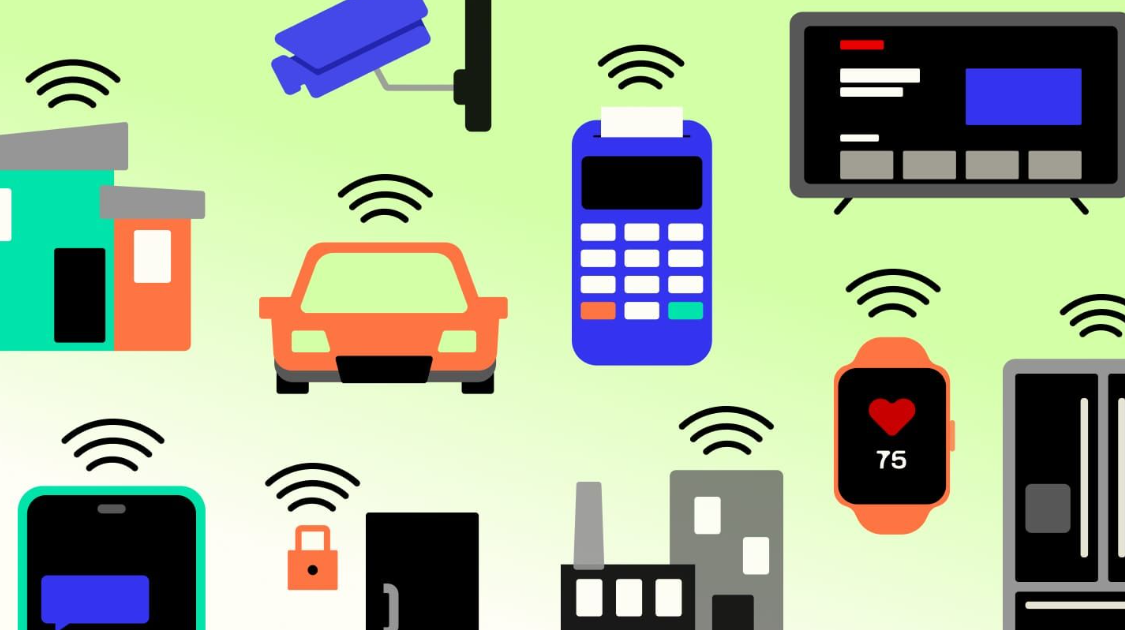
IoT devices surround daily life, from smart speakers and thermostats to wearables and connected appliances. They collect and transmit data to automate tasks, monitor conditions, or guide energy use, often with little direct user input. The devices blur lines between convenience and surveillance, prompting questions about privacy, security, and control. As homes and workplaces expand their networks, understanding how these tools work becomes essential, and the next example invites closer inspection.
What Counts as an IoT Device in Daily Life
Smart devices in daily life are those that collect, transmit, or respond to data to perform tasks without direct human input. IoT devices include household cameras, smart thermostats, wearable health trackers, and connected appliances. They operate via smart sensors, enabling automation and insight. Users should assess data privacy implications, understand permissions, and maintain control over data sharing and retention.
How IoT Collects Data Without You Noticing
IoT devices collect data largely without deliberate user action by continuously sensing their environment and transmitting readings to cloud services or local hubs.
The process highlights constant data collection from everyday objects, often invisible to users.
Privacy implications arise as researchers and vendors analyze patterns; thus, users should understand data uses, control options, and consent mechanisms to maintain autonomy and informed choices.
Real-World IoT Use Cases at Home and Work
Real-world IoT use cases at home and work demonstrate how networked devices automate routine tasks, enhance monitoring, and optimize resource use. Smart Thermostats adjust climate based on occupancy and preferences, reducing energy waste. Wearable Trackers monitor health metrics and activity, informing real-time decisions. In offices, connected sensors streamline maintenance and security, while homes gain convenience through synchronized devices and proactive alerts.
Tips to Choose and Use IoT Devices Safely and Effectively
As the previous examples show, connected devices offer convenience and efficiency, but selecting and using them safely requires careful consideration.
Practical tips emphasize strong passwords, regular updates, and secure networks.
Prioritize data privacy by limiting data collection, enabling encryption, and reviewing permissions.
Ensure device interoperability to avoid lock-in, and verify vendor support.
Exercise informed, deliberate choices for reliable, freedom-enhancing IoT use.
Frequently Asked Questions
How Secure Are Iot Devices Against Hackers?
IoT devices exhibit varying security; they are as secure as their vulnerabilities allow. Security flaws persist, but regular firmware updates, strong data encryption, robust device authentication, and clear privacy controls markedly improve resilience and user freedom.
Do Iot Devices Reveal My Personal Data?
IoT devices, in exaggeration worthy of a cautionary epic, can reveal personal data. They pose privacy leakage risks, but data minimization practices limit exposure, though vigilance remains essential for individuals seeking freedom and control over information assets.
Can Iot Devices Operate Offline Without Internet?
IoT devices can operate offline in limited scenarios, utilizing offline mode and local processing for basic tasks. However, many functions require connectivity for updates, cloud access, and aggregated analytics, shaping control and data privacy choices for users seeking freedom.
What Are Hidden Costs of Iot Subscriptions?
Hidden costs include recurring subscription fees, tiered plans, and potential data overages, while long term commitments may lock users into contracts, device compatibility limits, and price increases, reducing flexibility and freedom in choosing optimal, affordable IoT solutions.
How Do I Identify Fake or Insecure Iot Products?
How can one identify fake or insecure IoT products? The guide emphasizes Identifying counterfeit devices and Verifying firmware integrity, urging skeptics to demand provenance, secure update channels, reputable certifications, regular vulnerability checks, and transparent privacy practices for freedom-minded users.
Conclusion
In the grand theater of modern convenience, IoT devices bow gracefully to human whim, collecting data with the fragility of a polite handshake. They whisper updates, adjust temperatures, and nudge schedules, all while promising greater efficiency. Yet privacy skeptics quietly cue the intermission. The curtain falls with a reminder: convenience comes dressed as data, and every smart gadget is a tiny actor in a larger performance—one where the audience and the stage both orbit around unseen analytics. Bravo, anonymity, we miss you.
