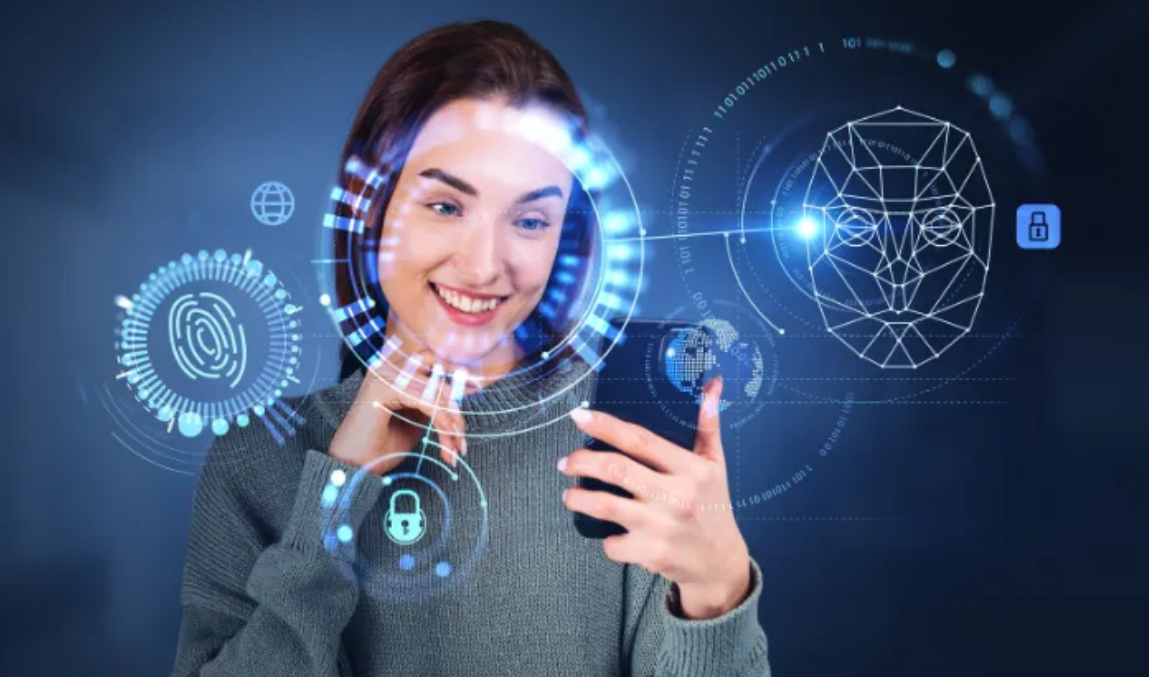
Fingerprint and face recognition present distinct trade-offs in practice. Fingerprints offer solid accuracy and fast verification but depend on sensor integrity and are vulnerable to wear, moisture, and spoofing. Face systems enable hands-free, scalable access yet suffer from lighting, angle, and bias concerns, complicating deployment. Both demand governance, consent, and data minimization, with privacy risks climbing for facial data. The choice hinges on use case, security requirements, and acceptable privacy costs, leaving one to weigh trade-offs before proceeding.
How Fingerprint and Face Recognition Work in Practice
Biometric systems for fingerprints and facial recognition operate by capturing a sample from the user and converting it into a digital template for comparison. In practice, templates are matched against stored references, with decisions varying by thresholds and policies.
Dispute legality arises where consent and surveillance scope are unclear, while cost implications affect deployment, maintenance, and accessibility for diverse populations and smaller institutions.
Comparing Accuracy, Speed, and Convenience
How do fingerprint and facial recognition compare in terms of accuracy, speed, and user convenience? In controlled tests, fingerprint systems exhibit solid accuracy with low false-reject rates but are sensitive to moisture and wear.
Facial recognition offers quicker, hands-free access yet shows variable reliability across lighting and angles. Security audits and user consent remain critical to trust and governance, despite convenience.
Security, Privacy, and Bias Considerations
Security, privacy, and bias considerations center on governance, data handling, and representation. The analysis remains skeptical about deployment claims, highlighting that biometric systems consolidate sensitive traits and potential misuse. Privacy audits reveal gaps in accountability, while data minimization remains elusive in practice. Rigorous standards are required to prevent surveillance drift, bias amplification, and opaque decision processes that undermine individual autonomy.
See also: Everyday Examples of IoT Devices
Choosing the Right Biometric Method for Your Use Case
Choosing the right biometric method hinges on aligning the technique’s strengths and limitations with the specific use case requirements. Different contexts demand scrutiny of performance, privacy concerns, and user experience.
Fingerprint systems offer speed but pose spoofing and collection risks; face recognition enables contactless use yet raises higher privacy concerns and bias potential. Legal compliance shapes data handling, storage, and consent obligations across deployments.
Frequently Asked Questions
How Do Fingerprint and Face Recognition Handle Aging Changes Over Time?
Aging changes challenge both modalities; fingerprint systems struggle with wear, while facial recognition adapts through technology updates. The evaluation remains skeptical: accuracy fluctuates as aging alters signals, prompting ongoing technology adaptation and tighter scrutiny of freedom-respecting safeguards.
Can Biometrics Be Stolen or Faked, and How Is That Mitigated?
Biometrics can be stolen or faked, but mitigations exist: fingerprint spoofing and liveness detection, facial masking and anti spoofing measures reduce risk, though none are foolproof; governance, transparency, and user control remain essential for those seeking freedom.
What Are Legal Rights and Consent Requirements for Biometric Data?
Legal rights and consent govern biometric data, including ownership and control; unclear data ownership can hinder autonomy. Data storage security is essential. The analysis remains skeptical: individuals deserve robust rights, explicit consent, and transparent governance for biometric data use.
Do Environmental Factors Affect Fingerprint vs. Facial Recognition Accuracy?
Environmental factors can degrade accuracy in both systems, with moisture, lighting, and wear altering input quality; aging changes further complicate reliability, yet fingerprint and facial methods respond differently, prompting skepticism about universal superiority and the demand for transparency.
How Do Multimodal Biometrics Compare in Real-World Deployments?
Multimodal deployment tends to improve accuracy and resilience, but real-world variability persists; aging effects complicate long-term reliability, requiring ongoing calibration, robust fusion logic, and performance auditing to avoid overreliance and preserve user autonomy.
Conclusion
Both fingerprint and face recognition offer distinct advantages, yet neither is a flawless oracle. Fingerprints deliver crisp accuracy but crumble under moisture, wear, or dirty sensors, while faces provide hands-free speed yet melt under poor lighting or bias pitfalls. In practice, performance hinges on context, risk tolerance, and governance. The prudent choice is a layered approach: validate requirements, enforce data minimization, and implement robust anti-spoofing and privacy safeguards—lest either method spectacularly overpromise and underdeliver.
